In many ways, the systems we live inside of are so familiar that they fade into the background. We buy, consume, work, and dispose without often stopping to ask how these patterns came to feel so normal or who they ultimately serve. For me this reading challenged that invisibility by looking into assumptions on consumption, climate, food systems, and business, and reframing them as interconnected systems rather than isolated choices.
Question 1: Which stage of the “stuff” lifecycle did you find most troubling or surprising, and why? How does this challenge the idea that consumption is a neutral or purely personal choice?
The stage of the “stuff” lifecycle that I find troubling is consumption itself. Not because people are inherently careless, but because consumption is deliberately engineered rather than neutral or organic. Watching The Story of Stuff reinforced something I’ve been quite aware of for a while, but one quote in particular stood out for me:
“Our enormously productive economy demands that we make consumption our way of life, that we convert the buying and use of goods into rituals, that we seek our spiritual satisfaction and our ego satisfaction in consumption. We need things consumed, burned up, worn out, replaced and discarded at an ever-increasing rate.”
— Victor Lebow (1955)
What’s troubling is how openly this frames consumption as a designed necessity, not a byproduct of our human need. When buying becomes ritualized and tied to identity, self-worth and even spiritual fulfillment, individual choice start to look a lot less “free.” The video also talked about the “walk–watch–spend” cycle which captures this perfectly we move through spaces saturated with advertising that constantly tells us we are incomplete without the next purchase.
This perspective aligns closely with how my thinking shifted after watching “The Minimalists: Less Is Now” back in 2021. The documentary really challenged how I understood consumption, and it’s an ideology I still live by today. Seeing consumption as part of a larger system makes it clear that buying things is not a morally neutral act. It’s participation in a system with environmental, social, and human consequences, whether we intend it or not.

Question 2: The film argues that consumerism is not accidental but designed into the economic system. In what ways does this challenge “business as usual,” and what implications does this have for the role of business leaders rather than just individual consumers?
If consumerism is designed into the system, then “business as usual” is not just inefficient, it’s actively harmful. This challenges the assumption that businesses exist simply to meet consumer demand, because in reality, demand is often manufactured through planned obsolescence, marketing, and psychological manipulation.
Business leaders are not entirely free actors because they are trapped within a system that rewards growth, speed, and replacement over durability and restraint. However, being constrained by the system does not absolve them of their responsibility.
In an ideal world, this would mean reducing overall production and redesigning products to last longer, rather than maximizing turnover. Under capitalism as it currently exists, this approach is admittedly unrealistic at scale. Still, acknowledging that limitation is itself important. It shifts the conversation away from blaming individual consumers and toward interrogating the structures that define success, profit, and efficiency in the first place.

Question 3: Why is climate change increasingly described as an economic and business risk rather than only an environmental issue? Provide one example of how climate instability could directly affect business operations or supply chains.
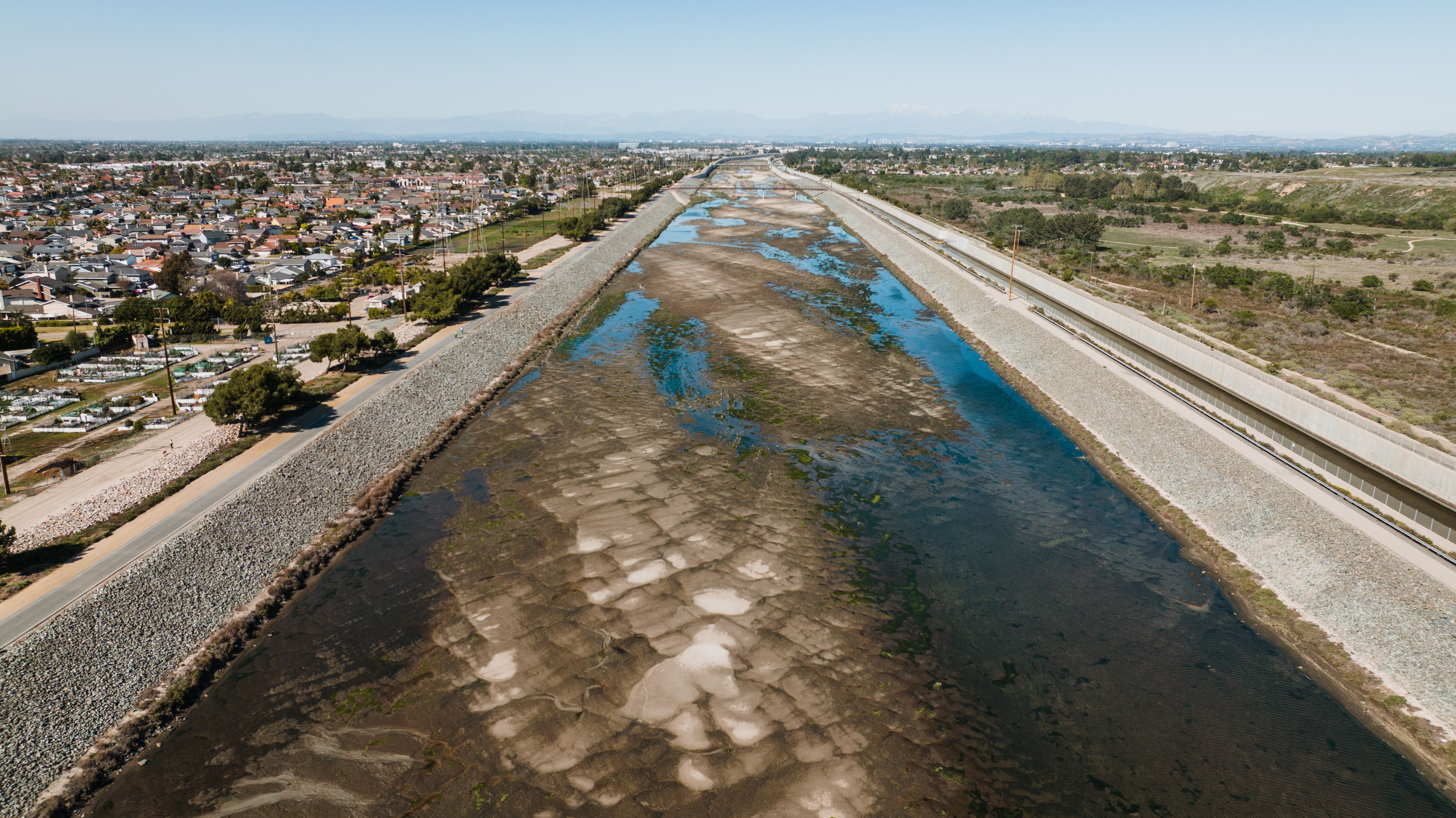
Climate change is increasingly framed as an economic and business risk because until a financial impact comes, it doesn’t tends to trigger action. Environmental or moral arguments often struggle to gain traction while risks to revenue, infrastructure, and supply chains are harder for businesses and governments to ignore.
A good example is the impact of drought on global shipping. Due to severe drought conditions, the Panama Canal Authority had to significantly reduce daily vessel transits from roughly 36–38 ships per day down to 18–25. This disruption had cascading effects across global supply chains, delaying shipments and increasing costs worldwide.
I believe framing climate change this way is effective, but it also feels morally hollow. Action driven by financial self-interest rather than concern for people or ecosystems raises uncomfortable questions about what society values. However, if economic framing is what compels decision-makers to respond, it may be a necessary lever for change.
Question 4: Despite decades of scientific evidence, large-scale action on climate change has been slow. What structural, economic, or institutional factors do you think make meaningful change difficult?
I think it’s short-term profit incentives and political cycles. Organizations are often rewarded for immediate financial performance, while the benefits of climate action are long-term. Similarly, political leaders operate within election cycles that could discourage policies whose benefits may not be realized for decades.
There is also the convenient belief that climate impacts can be dealt with by future generations, which allows present-day individuals to delay the responsibility. Despite these challenges, I feel pressure from consumers, investors, and younger generations is building, and climate risk is becoming harder to externalize or ignore.
Question 5: How can food be simultaneously “cheap” and yet contribute to poor health, inequality, and ecological degradation? What does this reveal about how efficiency is defined in current food systems?
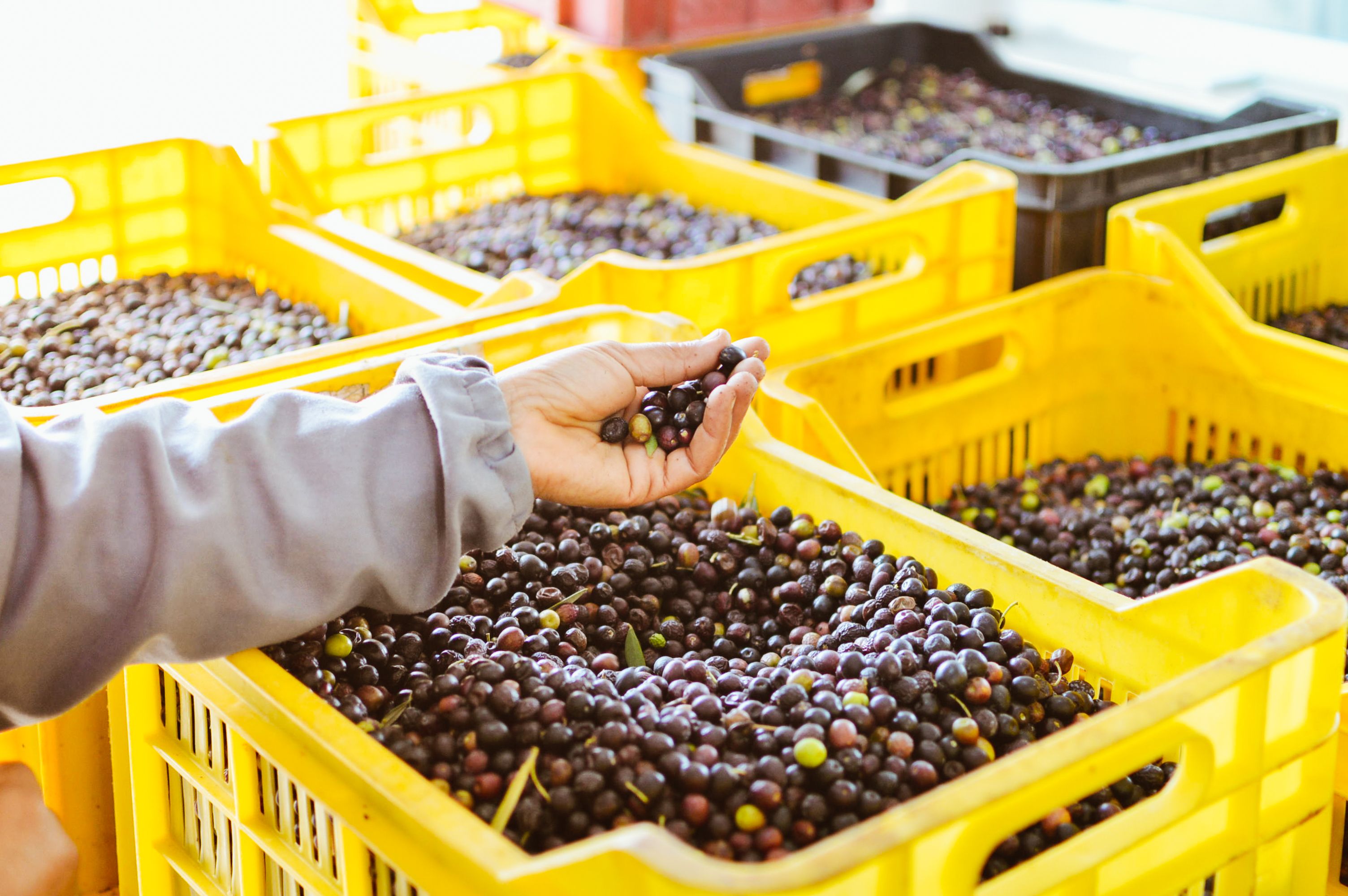
Food appears “cheap” because many of its true costs are externalized. The Industrial agriculture of today usually prioritizes high-volume, low-cost production which results in calorie-dense, highly processed foods. Though these foods are affordable at the checkout, it can be costly in terms of public health and long-term sustainability.
This shows that efficiency in current food systems is quite narrowly defined as maximizing short-term financial return. When efficiency ignores health outcomes, ecological damage, and social inequality, it becomes a design flaw of capitalism rather than a success story.
Question 6: What responsibilities do businesses, governments, and consumers each have in reshaping food systems? Which actors have the greatest capacity to drive change, and why?
I believe businesses have a responsibility to ensure worker safety and produce nutritious, accessible food while consumers play a role by making informed choices and reducing food waste. For Governments on the other hand they should create and enforce policies that improve public health and food security.
I believe the government has the greatest capacity to drive large-scale change because they can mandate standards that affect all parties simultaneously. Consumer pressure can help, but without policy support it can just remain symbolic. At the same time, over-reliance on government carries risks as the policies can overshoot or not get well designed which is why coordination across all three actors is very important.
Question 7: Why does paying attention to “place” matter for creating meaningful products, services, or experiences? Can you think of a business that does this well?
Paying attention to place matters because it creates emotional connection, relevance, and meaning. Humans have always operated in close relationship with their environment, and place-based knowledge fosters care, responsibility, and belonging.
A good example would be Sam’s Place Coffee café here in Winnipeg that sources locally and reflects the community it serves. These businesses feel different because they are rooted in the people, culture, and rhythms of the city rather than being interchangeable with locations elsewhere.

Question 8: How might greater attention to place change how businesses relate to the local environment and community? What responsibilities do businesses have to the places in which they operate?
When more attention to a place is given, this can encourage a business to become better stewards of the environment they depend on. This includes responsibility not just to avoid harm repair ecosystems where possible.
This also aligns with the idea of CSR (corporate social responsibility) balancing what is reasonable and feasible with an ethical obligation to contribute positively.