This reading made me to think about responsibilities as individuals and business leaders, touching on treaties, systemic racism, sustainable business models, and greenwashing.
Question 1: Think about where you currently live, study, or grew up. After learning that these places are located on treaty land, how does this change or not change your understanding of your relationship to that place?
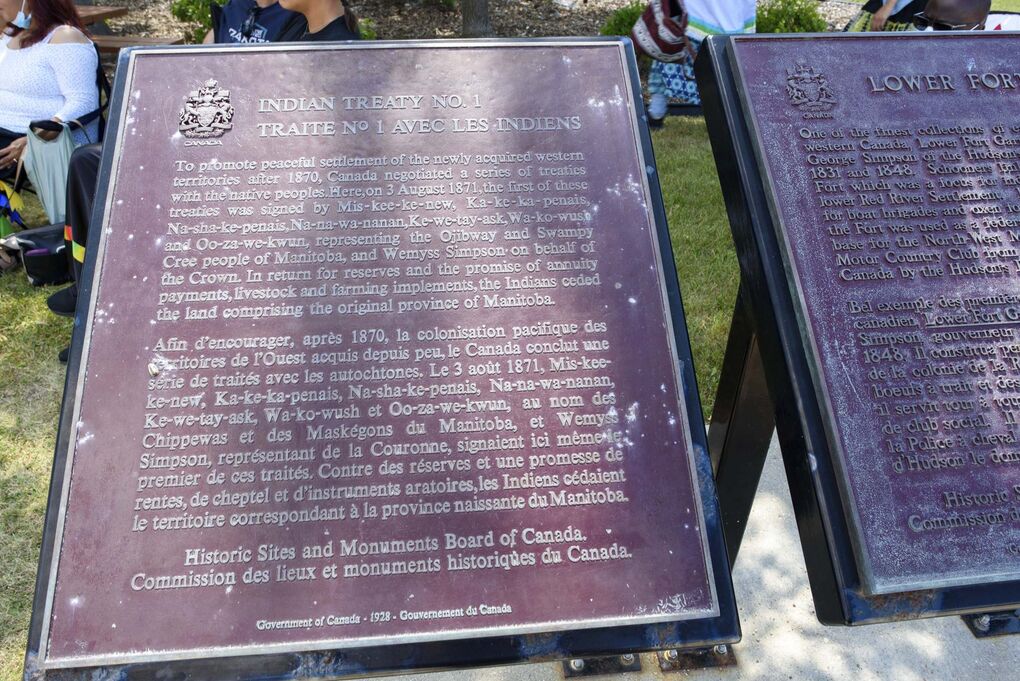
Being based here in Winnipeg, learning about this genuinely changes how I appreciate the land and the Indigenous peoples who agreed to share it. The University of Manitoba and the city of Winnipeg are located on Treaty 1 territory. Knowing that these treaties were intended by Indigenous nations to be agreements to share the land and coexist, while maintaining their cultures and responsibilities, brings a lot more appreciation to the history of what happened. It shifts my understanding from just “living in a city” to recognizing that the treaty relationship is a living part of the place where I study, work, and live today.

Question 2: Many people hear land acknowledgements at events but rarely think deeply about them. After reading this section, what do you think a meaningful response to a land acknowledgement might look like for individuals, organizations, or businesses?
I think a meaningful response means people should actually take the time to think about it and be deeply appreciative of the history. A land acknowledgement is a symbolic gesture, but its deeper purpose is to remind Canadians that treaties created ongoing responsibilities. A true response requires us to be drawn toward making reconciliation a reality, especially acknowledging that as settlers or foreigners, we haven’t always been the best actors.
The Truth and Reconciliation Commission emphasized that true reconciliation requires learning about these treaty relationships and how historical policies harmed Indigenous communities. For businesses, a meaningful response means shifting our perspective to see these as ongoing relationships grounded in respect and shared stewardship.
Question 3: Before reading this section, how did you understand the difference between individual prejudice and systemic racism? Has your understanding changed?
Before this reading, my understanding was already somewhat along these lines that individual prejudice comes from personal opinions and how someone feels about a particular person, while systemic racism is about how an entire system operates and encourages inequalities. The reading didn’t completely change my view, but it gave me the some vocabulary and clarity to define the differences. The reading notes that individual prejudice involves personal beliefs or discriminatory actions. In contrast, systemic racism refers to patterns of policies, practices, and institutional structures that produce unequal outcomes for different racial groups. It helped clarify that this isn’t just about one person’s bias, but about how institutions unintentionally (or historically, intentionally) produce these different outcomes.
Question 4: Think about an organization you have worked for, volunteered with, or observed. Can you identify any policies or practices that might unintentionally advantage some groups while disadvantaging others?
When I first thought about this, individual prejudices came to mind from past workplaces, but systemic issues are a bit harder to spot until you look closely. However, I have definitely observed this in the startup world, specifically when trying to raise venture capital. There is a deeply ingrained practice of valuing founders based on specific historical profiles like asking, “Did you go to an Ivy League university?” or looking for founders who fit a certain “mold”. I think it’s is a perfect example of what the reading describes as institutional processes that may unintentionally create barriers for certain groups. Even if an investor doesn’t have individual prejudice, the system of relying on “warm introductions” or elite university networks structurally disadvantages those without those backgrounds, failing to provide everyone with an equal ground.

Question 5: Which of the two models-conventional or sustainable-best reflects the type of organization you would want to work for? Explain why.
I definitely think that the sustainable business model reflects the type of organization I want to work for. Conventional models evaluate decisions primarily based on efficiency, growth, and profitability. But I am someone deeply interested in making a positive impact on the world and my community beyond just personal financial gains. Sustainable business models expand the purpose of the firm beyond shareholder profit to include the well-being of employees, communities, ecosystems, and future generations. Because it values long-term resilience and promotes financial, social, and ecological well-being, it aligns much more closely with how I want my career to look.
Question 6: Choose one business function (finance, marketing, operations, or human resources). How might that function operate differently in a sustainable business compared to a conventional one?
I’ll actually touch on two that stand out to me: Human Resources and Operations.
For Human Resources: In a sustainable business, HR would focus on employee well-being, meaningful work, and inclusive organizational cultures. By prioritizing better working conditions, employee satisfaction improves, which in turn leads to longer retention and reduced turnover costs.
For Operations: Rather than just pushing for maximum output, sustainable operations emphasize resource efficiency, circular production, and reduced environmental impact. By incorporating long-term thinking and ecological well-being into how the organization produces its goods, the business remains viable for the future, rather than just cashing in on short-term gains.
Question 7: Think about a product you regularly purchase (food, clothing, cosmetics, etc.). Have you noticed any environmental or sustainability labels on it? After reading this section, how confident are you that those claims reflect meaningful standards?
Honestly, I’ve often felt overwhelmed and not worry by the number of stickers that appear on the back of food items and purchased goods. Because of greenwashing, companies sometimes use vague language or create fake labels that aren’t independently verified. However, after reading this section, I have a renewed sense of confidence when looking at specific, established labels. Knowing that third-party certification systems exist to evaluate supply chains according to established standards makes me feel much more confident that these claims reflect meaningful efforts, rather than just marketing language.

Question 8: If you were responsible for sustainability strategy in a company, how might third-party certifications help build credibility with customers and stakeholders? What limitations should managers still be aware of?
If I were managing a sustainability strategy, third-party certifications would be vital for building credibility because they allow consumers and businesses to verify sustainability claims reliably. It forces the business to follow strict industry standards much like the “True Source Honey” certification helps standardize the lifecycle of honey production. It proves we are walking the walk.
However, the main limitation managers need to be aware of is that sustainability is highly complex, and no single label captures every environmental or social impact. For instance, a certification might be super specific to environmental protection but completely miss other components like product quality or labour conditions. Understanding exactly what different certifications measure and what they do not measure is crucial for a manager to avoid inadvertently misleading consumers or stakeholders.